
Luxury once announced itself across a room. Its codes were legible by design: a recognisable monogram, a scarce reservation, a vehicle whose silhouette required no introduction. Those signals have not disappeared, but the most sophisticated consumers are beginning to ask what remains after recognition.
For founders whose public lives are already visible, privacy has become a form of abundance. They are choosing homes with silence, hotels with judgement, clothing with provenance and experiences that do not need to be translated into content to feel real.
The new status symbol is not being recognised by everyone. It is being understood by the right people.
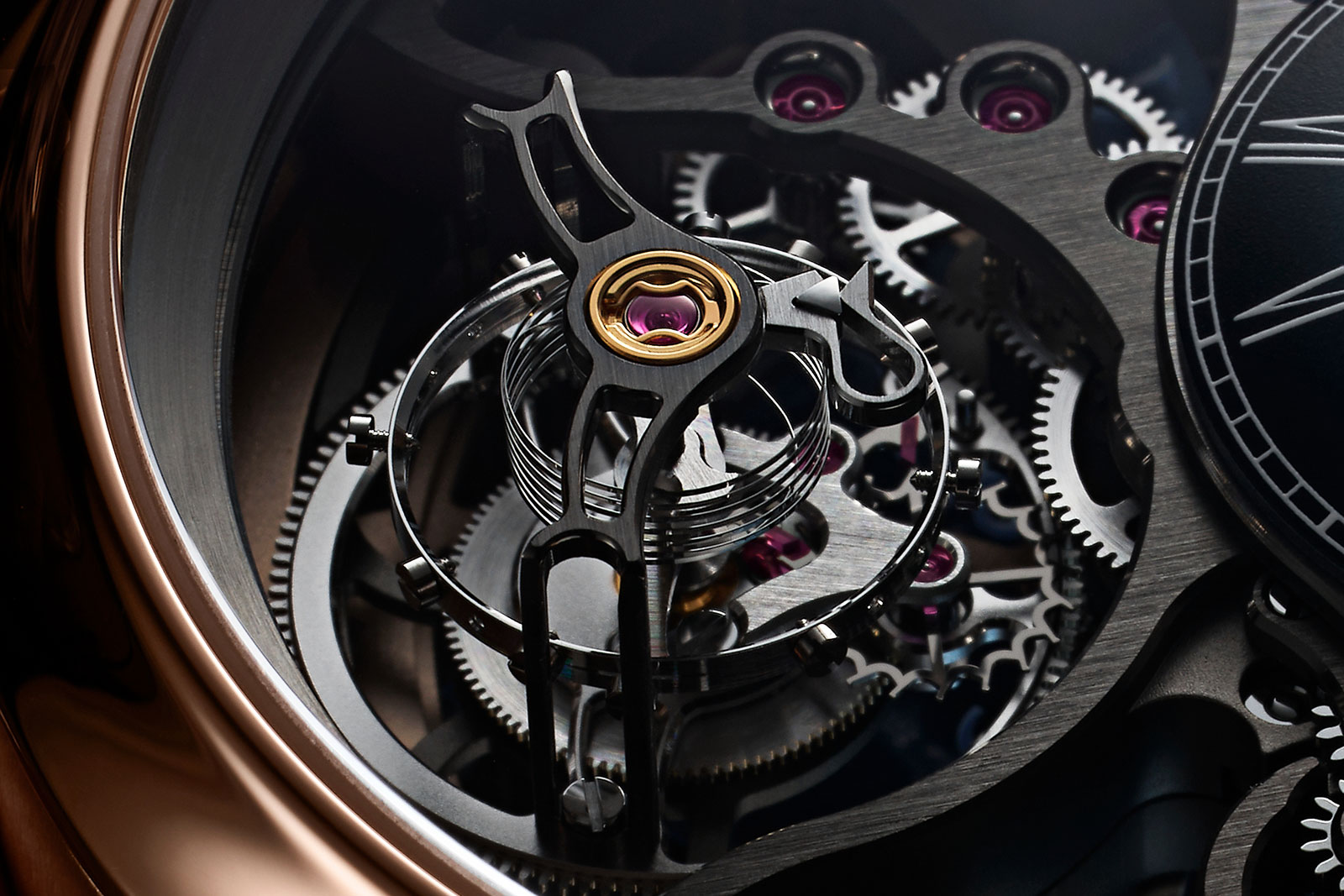
This is not minimalism as aesthetic performance. It is discernment. A hand-finished object, a chef cooking for twelve guests or a watch understood by collectors may carry more meaning precisely because the value is not obvious to everybody.
The shift is also ethical. Affluent buyers increasingly want to know who made an object, where the material came from and whether the company behind it behaves with the same elegance it markets. Provenance is moving from the auction catalogue into everyday luxury.
Time has become the rarest material. A frictionless arrival, a protected weekend, access to a trusted specialist or the ability to gather family across continents can exceed the emotional value of another possession.
Wellbeing belongs in the same conversation. Sleep, movement, food, water and mental clarity are no longer secondary to success. They are the infrastructure that allows success to be enjoyed without consuming the person who created it.
Brands that understand this will offer fewer empty gestures and more intelligent service. They will remember preferences without becoming intrusive, create community without manufacturing proximity and use technology without removing the human quality of care.
Luxury after logos is not anti-object. It simply insists that the object, place or experience earn its place in a considered life. The question is no longer, ‘Will people know?’ It is, ‘Will this matter?’