Never despise humble beginnings. That is the sentiment that springs to mind when I think about the story of the double R, also known as Rolls-Royce.
This prestigious British brand stands head and shoulders above so many other car manufacturers. Rolls-Royce began its journey in 1904 through the partnership of an aristocratic car dealer and a self-taught engineer who wanted to build the best motor car in the world.
Never despise humble beginnings. They built the best car in the world.
Henry Royce was born into poverty and worked as a newspaper boy. He served an engineering apprenticeship before becoming a skilled mechanical and electrical engineer running his own business. Dissatisfied with the unreliability of early cars, he built his own twin-cylinder, 10hp motor car in Manchester.
Charles Rolls was a wealthy aristocrat and motoring pioneer who ran one of Britain’s first car dealerships in London. On 4 May 1904, the two men met at the Midland Hotel in Manchester. After driving Royce’s car, Rolls agreed to sell every vehicle Royce could build under one name.
Two Men, Two Worlds, One Name
It is hard to imagine two men with less in common.
Henry Royce was born in 1863 in Alwalton, Huntingdonshire. When the family fortunes failed, he sold newspapers and delivered telegrams to help keep them afloat. A great-aunt found him an apprenticeship with the Great Northern Railway. In 1884, aged 21 and with just £20 to his name, he founded F.H. Royce & Company in Manchester, making electrical fittings, then dynamos and cranes. He worked himself to collapse in 1902. When he recovered, the shortcomings of a French car prompted him to build his own.
Charles Stewart Rolls was born in 1877, the son of Lord Llangattock. At Eton he was so obsessed with engines that he was nicknamed “dirty Rolls”. He studied at Cambridge, where he owned one of the city’s first cars. In 1903 he opened C.S. Rolls & Co., one of Britain’s first car dealerships.
Poverty and privilege met at the Midland Hotel. What they shared was a refusal to accept second best. In 1906 they formed Rolls-Royce Limited. The Silver Ghost soon established the marque’s reputation for quiet, dependable engineering.
Then came heartbreak. Rolls turned from cars to the skies and, in June 1910, became the first man to fly non-stop across the English Channel and back. Five weeks later, on 12 July 1910, he died during a flying display at Bournemouth. He was 32, the first Briton to die in a powered aircraft accident.
Royce carried on. His health failed again in 1911, yet he kept designing from the south of England and France. He was made a baronet in 1930 and died in 1933. His engineering legacy would continue into the age of aviation.
Glory, Collapse and Rebirth
The double R has been to the summit and to the edge of ruin, more than once.
Rolls-Royce aero engines became central to British aviation. The Merlin engine, developed after Royce’s death from work he had begun, powered aircraft including the Spitfire and Hurricane. The name on the radiator was also a name in the skies.
Then came the fall. In February 1971, the cost of developing the RB211 jet engine drove the original company into receivership. The British government saved the aero-engine business, while the car business continued separately as Rolls-Royce Motors. Today the carmaker and the aerospace and power-systems group are distinct companies.
The years that followed brought changes of owner. Engineering group Vickers acquired the car business in 1980. In 1998, Volkswagen acquired the Crewe operation, while BMW secured the Rolls-Royce motor-car name and marque for future use. For a few years, the factory and the right to the name were in different hands.
From 2003, BMW’s Rolls-Royce Motor Cars built a new home at Goodwood in West Sussex, and the rebirth began. In 2024 it delivered 5,712 cars, its third-highest annual total at the time. It announced more than £300 million to expand Goodwood, its largest investment there since the plant opened.
The newspaper boy’s dream survived him by nearly a century, through war, financial collapse and changes of ownership. Humble beginnings, it turns out, can build strong foundations.
More Than a Car
Nobody needs a Rolls-Royce. That is exactly why people want one.
A Rolls-Royce is bought on feeling. For some it is the reward at the end of a long climb: proof to themselves, and to the parents who sacrificed for them, that the journey was worth it. For others it marks a wedding day, a milestone birthday or a company that finally made it. It is the car you arrive in when you want the world to know you have arrived.
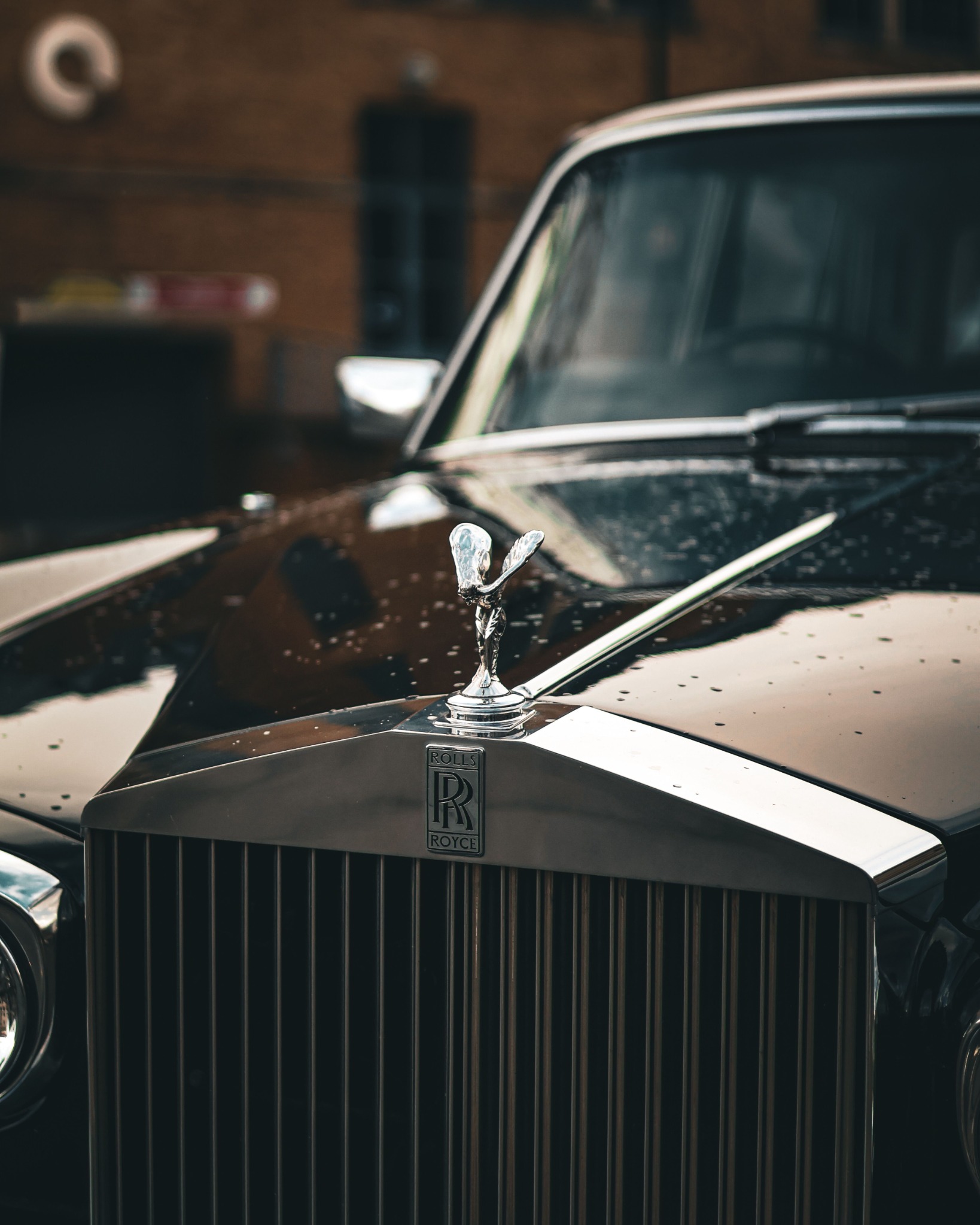
That emotion is by design. The Spirit of Ecstasy has leaned into the wind from the bonnet since 1911. Craftspeople at Goodwood work on commissions that express each owner’s story through material, colour and detail. In 2024, the value of Bespoke content per car rose by 10%. Owners are commissioning a portrait of themselves.
There is something fitting in that. A brand founded by a newspaper boy who refused to accept second best has become a symbol of what a life of effort can earn.
Africa, the Gulf and the Caribbean Take the Wheel
The double R was born in Manchester. Its future is also being imagined in Lagos, Dubai and beyond.
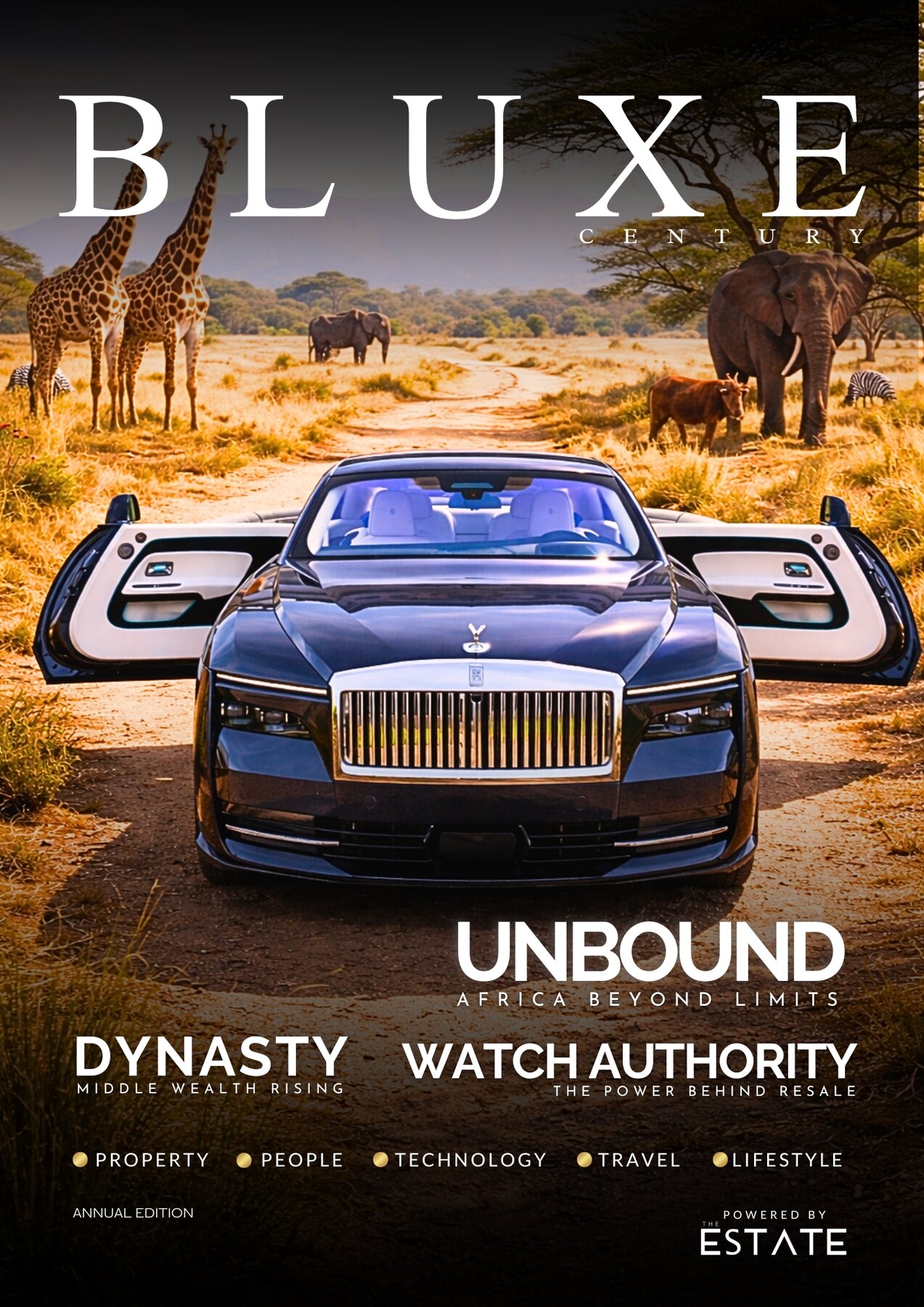
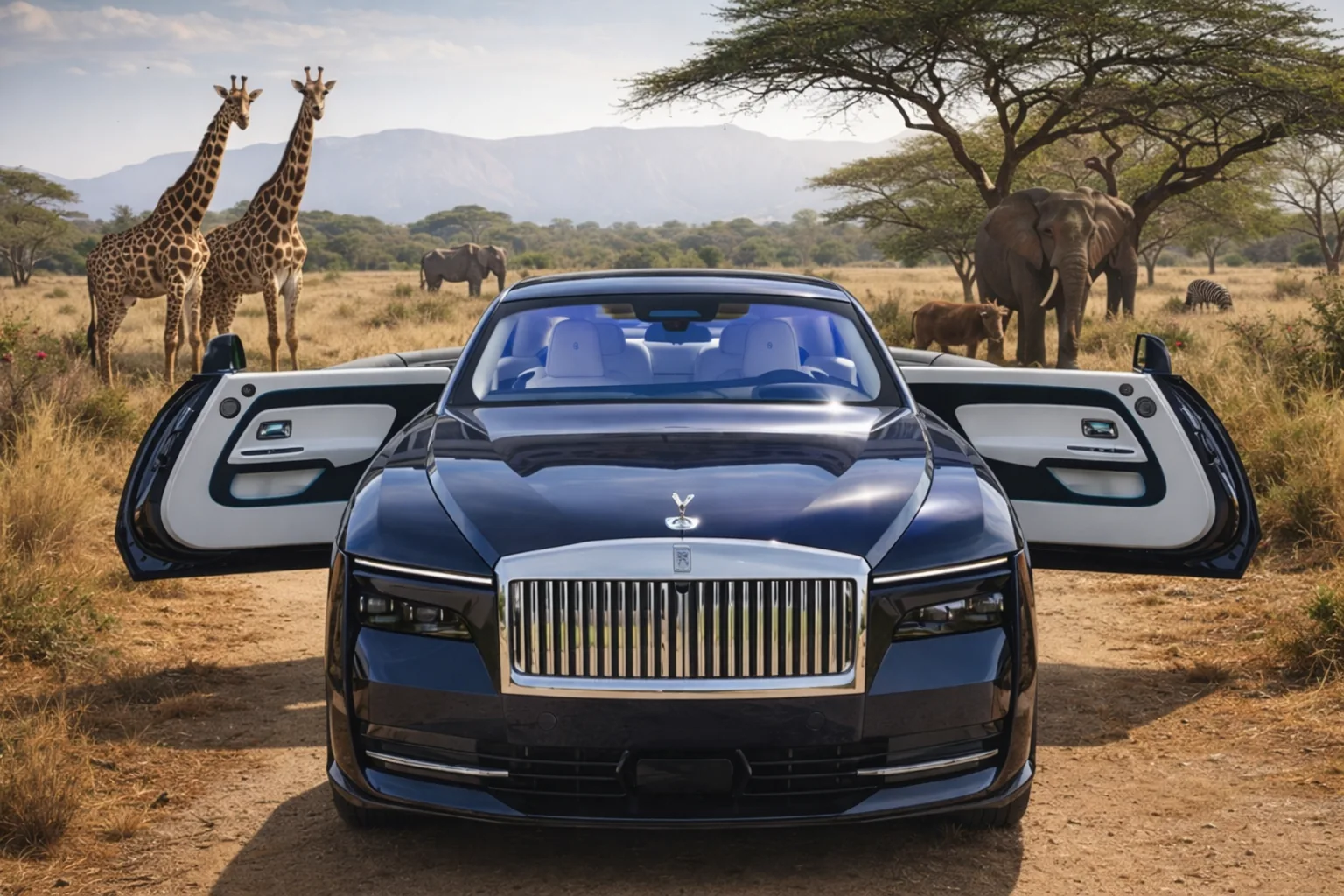
For a new generation of African entrepreneurs, the car can carry a meaning its founders could never have imagined. It says that wealth built on the continent, by its own people, belongs at the top table. A marque born of a poor boy’s ambition speaks to people who know what humble beginnings feel like.
The available evidence describes dealerships, historical reporting and regional Bespoke demand. It does not establish a current country-by-country ranking or a count of cars on the road.
| Market | What the evidence shows |
|---|---|
| UAE | Dubai’s AGMC was reported as the world’s busiest Rolls-Royce showroom in 2016. In 2024, the Middle East led in average Bespoke content per car. |
| Nigeria | An older BusinessDay report described Nigeria as Africa’s biggest market and estimated about 230 cars then. This is not a current count. Coscharis Motors represents the marque in Lagos. |
| South Africa | An official showroom operates in Melrose, Johannesburg. |
| East Africa | Kenya, Uganda and Tanzania are part of the wider conversation around luxury SUVs such as Cullinan, but no verified sales series supports a current growth or regional ranking claim. |
| Caribbean | An official dealership in the region was not confirmed from the sources reviewed. Owners may be served through other markets; a current dealer arrangement would require confirmation from the marque. |
One Name, Separate Businesses
There is another African presence attached to the Rolls-Royce name. Rolls-Royce Solutions Africa, part of the separate Rolls-Royce power-systems business, supports mtu engines and energy systems for industrial, marine and other applications, with a base in Cape Town. It is not Rolls-Royce Motor Cars, the BMW-owned carmaker described above.
That distinction matters. The name spans different engineering histories and markets; the story of an owner commissioning a motor car is different from a mine, rail operator or shipyard procuring a power system.
The Handshake That Still Matters
A little over 120 years ago, a boy who sold newspapers and a lord’s son who raced cars shook hands in Manchester. One would die at 32 in the sky over Bournemouth. The other would spend his later years designing through illness. Neither lived to see what their names would come to mean.
They could not have known that their cars would one day glide through Lagos, Dubai and Johannesburg. They could not have known that their story would speak so powerfully to people who, like Henry Royce, started with determination.
That is the true legacy of the double R. It is not chrome, leather or horsepower. It is the idea that where you begin does not decide where you finish.
Never despise humble beginnings. They built the best car in the world.